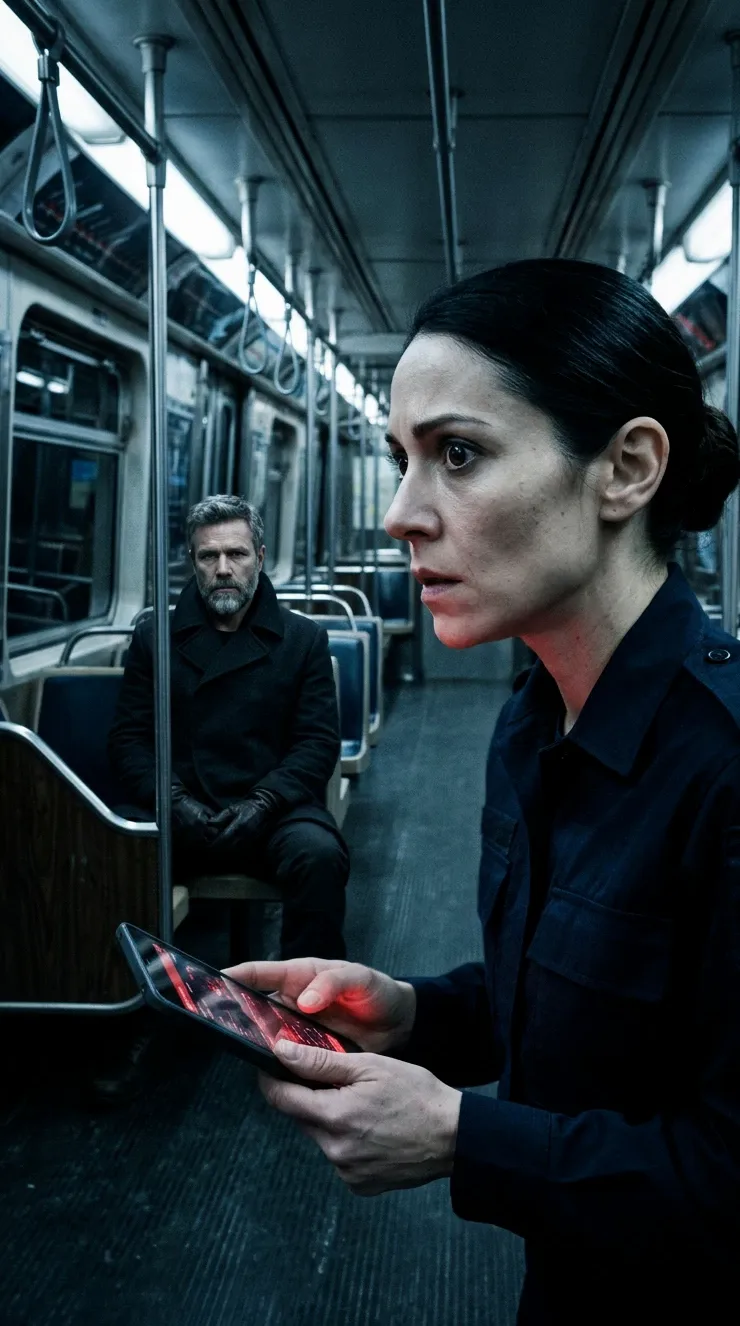
Writing a Cliffhanger Every 60 Seconds
A micro-drama episode runs under a minute, so every episode must end on an open question. Six cliffhanger types, a simple episode shape, and how to plan the last shot of each episode in an AI short drama.
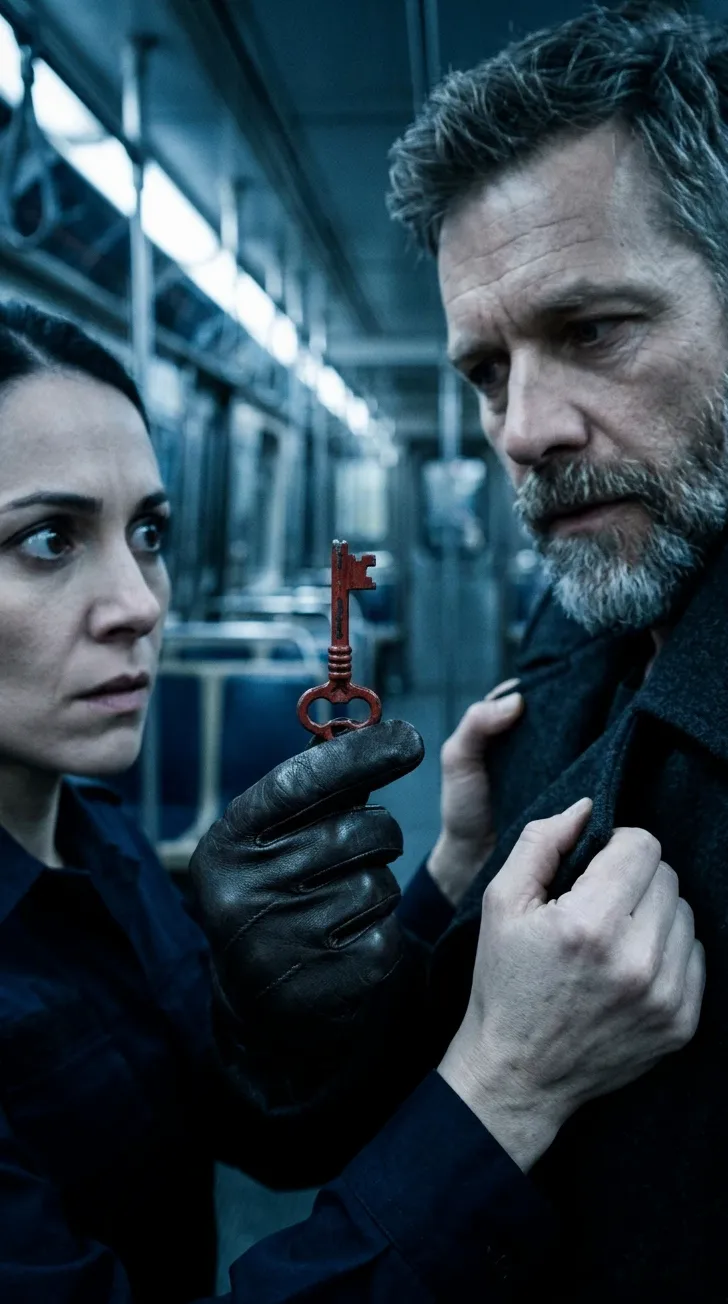
A cliffhanger every 60 seconds means each short episode ends the moment a new question opens, before it is answered. The last shot changes the situation (a secret comes out, a threat is made, someone walks in) and then the episode stops. The viewer wants the next episode because the current one refused to finish the scene. This article shows how to build that ending into a sub-minute episode, with six reliable types and a simple shape you can reuse in every episode.
Why short episodes need an ending that does not end
A micro-drama episode has no room for a subplot or a slow middle. It has one job: move the story one step and make the viewer need the next step. In Drama AI, an episode is 2 to 6 shots of eight seconds each, so it finishes in under a minute. That makes the final shot the most important one you write: it is the reason the viewer opens episode two.
A good cliffhanger does three things:
- It changes something. The situation at the end is different from the start of the shot.
- It raises a specific question. Not "what happens next?" but "will she sign?" or "who sent the photo?"
- It cuts before the answer. The reaction, the reply or the consequence belongs to the next episode.
Six cliffhangers that work in under a minute
- The reveal. New information flips what the viewer believed: the kind stranger is the rival's brother.
- The threat. Someone states what they will do: "Tell him, and you lose the house."
- The arrival. A character who changes the balance walks into the room on the last line.
- The choice. The lead is forced to pick between two bad options, and the episode ends before she does.
- The reversal. The person who was winning suddenly loses, or the reverse.
- The unanswered call. A phone rings, a door knocks, a message arrives, and we do not see who it is.
Rotate them. If every episode ends on a reveal, viewers start to expect it, and expectation dulls the effect.
A simple shape for one episode
You do not need a complex outline. For a six-shot episode, this shape works for most genres:
| Shot | Purpose |
|---|---|
| 1 | Pick up the last cliffhanger and answer it fast |
| 2–3 | Raise the stakes: the answer makes things worse |
| 4–5 | Push the lead toward a decision or confrontation |
| 6 | Open a new question and cut |
The key is the first shot. Answering the previous cliffhanger right away rewards the viewer for coming back, and frees the rest of the episode to build the next one.
Planning cliffhangers across a series
A series is easier to keep tense when you know where it is going. Before you write episode one, jot down the big secret or goal of the series and three or four turning points on the way. Then each episode's cliffhanger moves toward one of them.
- Keep a running question. One long question ("who framed her?") should sit under the whole series, while each episode adds and closes smaller ones.
- Escalate. Each cliffhanger should be a little bigger than the last: a rumour, then proof, then a confrontation.
- Pay off promptly. Do not let a small cliffhanger hang for several episodes; viewers notice when a question is dropped.
How Drama AI handles the cliffhanger
Every episode script Drama AI writes ends with a cliffhanger shot by design. When you ask for the next episode, the writer starts from the series bible and from that last cliffhanger, so episode two opens by answering it with the same cast. You can rewrite the closing line before you render, and edits cost nothing.
If a rendered ending falls flat, use a reshoot: change the line or the action of the last shot and re-render only that shot. The rest of the episode is kept, and the episode is joined again. A series can continue for up to 20 episodes.
Common mistakes
- Resolving it in the same episode. If the last shot also shows the answer, there is no cliffhanger.
- Vague endings. A meaningful look with no context does not raise a question. Pair it with a line or an object.
- Fake-outs every time. A threat that turns out to be a dream works once. Repeat it and viewers stop trusting your endings.
- Forgetting the hook. The cliffhanger brings viewers back; the opening keeps them watching. Both matter, as covered in how micro-dramas hook viewers in 3 seconds.
Try it with your own premise
Write a premise, edit the cast and the episode script, and see the credit total before you render.